01
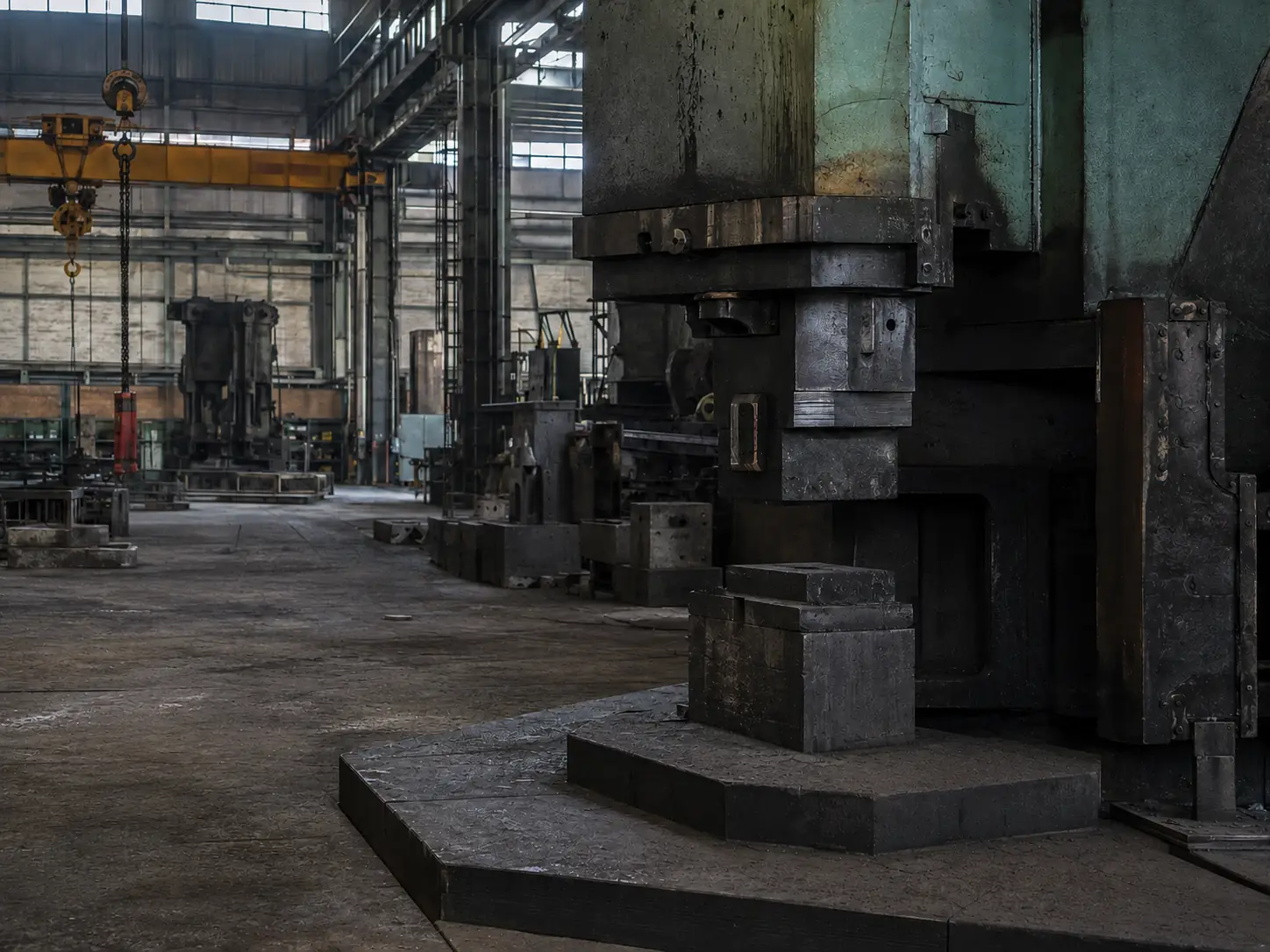
Heavy forming equipment
Equipment capacity supports process planning for substantial metal components and repeat production.

A practical starting point
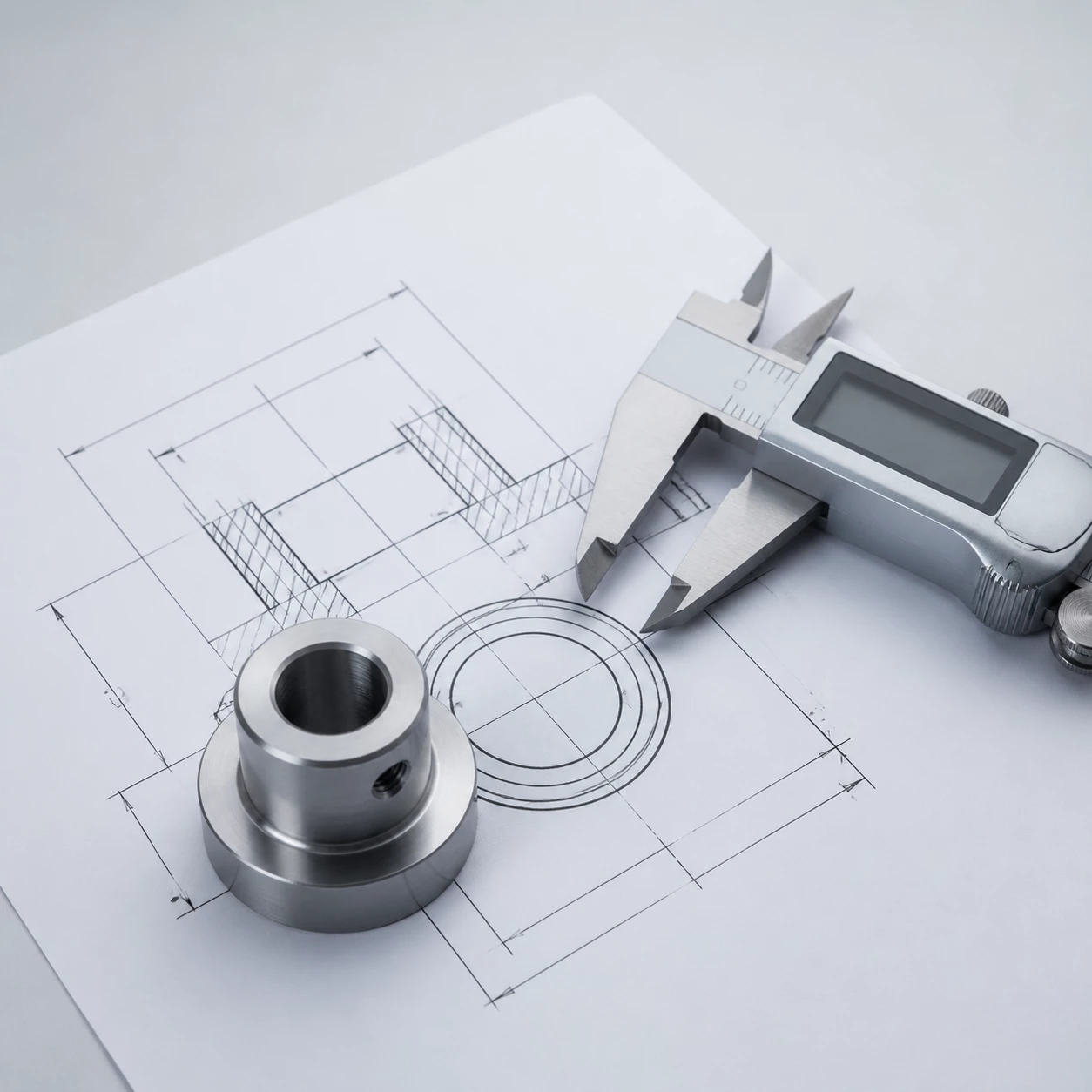
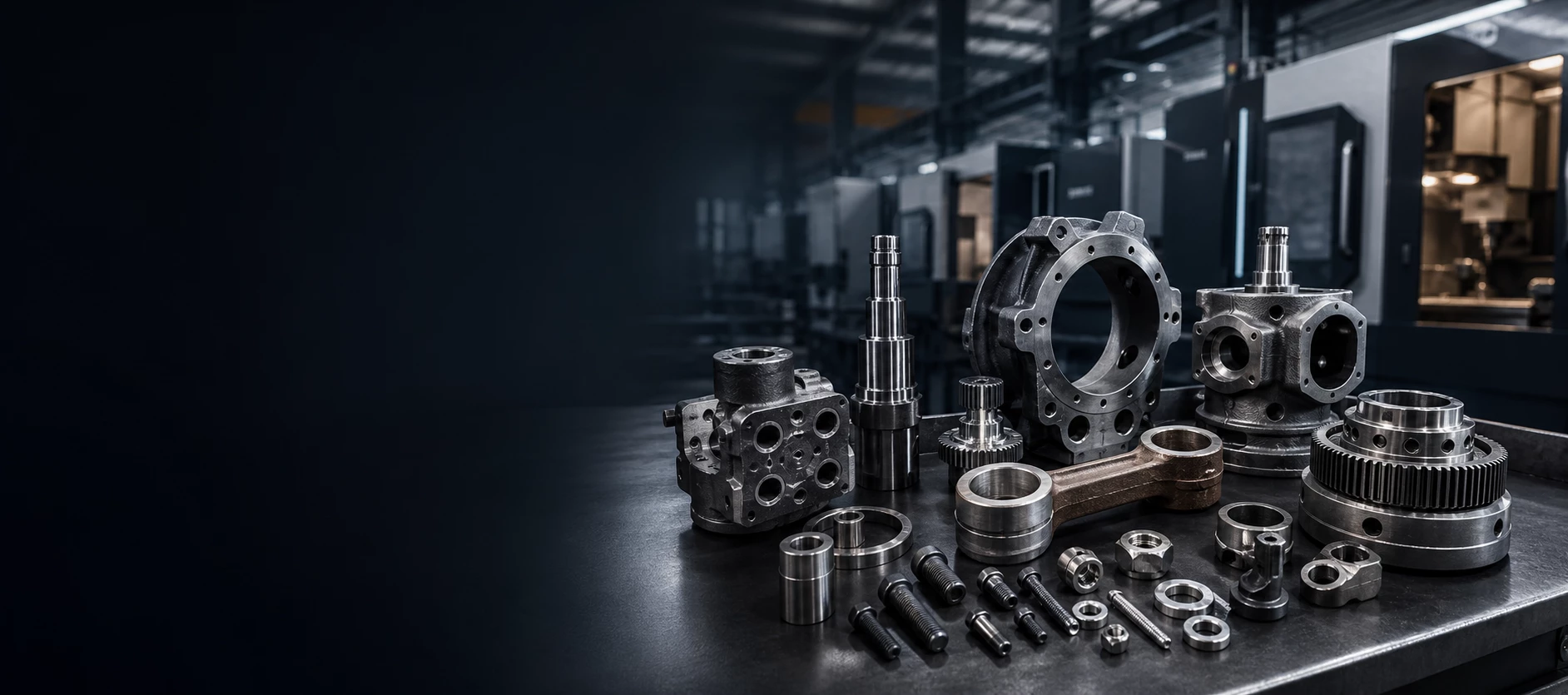
RELIA supports industrial buyers who need a standard product, a replacement part or a component made to a drawing. We organize the available information and identify what must be confirmed next.
See RELIA's manufacturing capabilitiesSend the drawing, revision and known critical features.
Share the sample, part number or reference photographs.
Describe the application, quantity and delivery target.
We identify confirmed details and the items still to review.
Product and industry families
Start with the nearest category. Final matching is reviewed from dimensions, interfaces, material, operating conditions, quantity and acceptance needs.
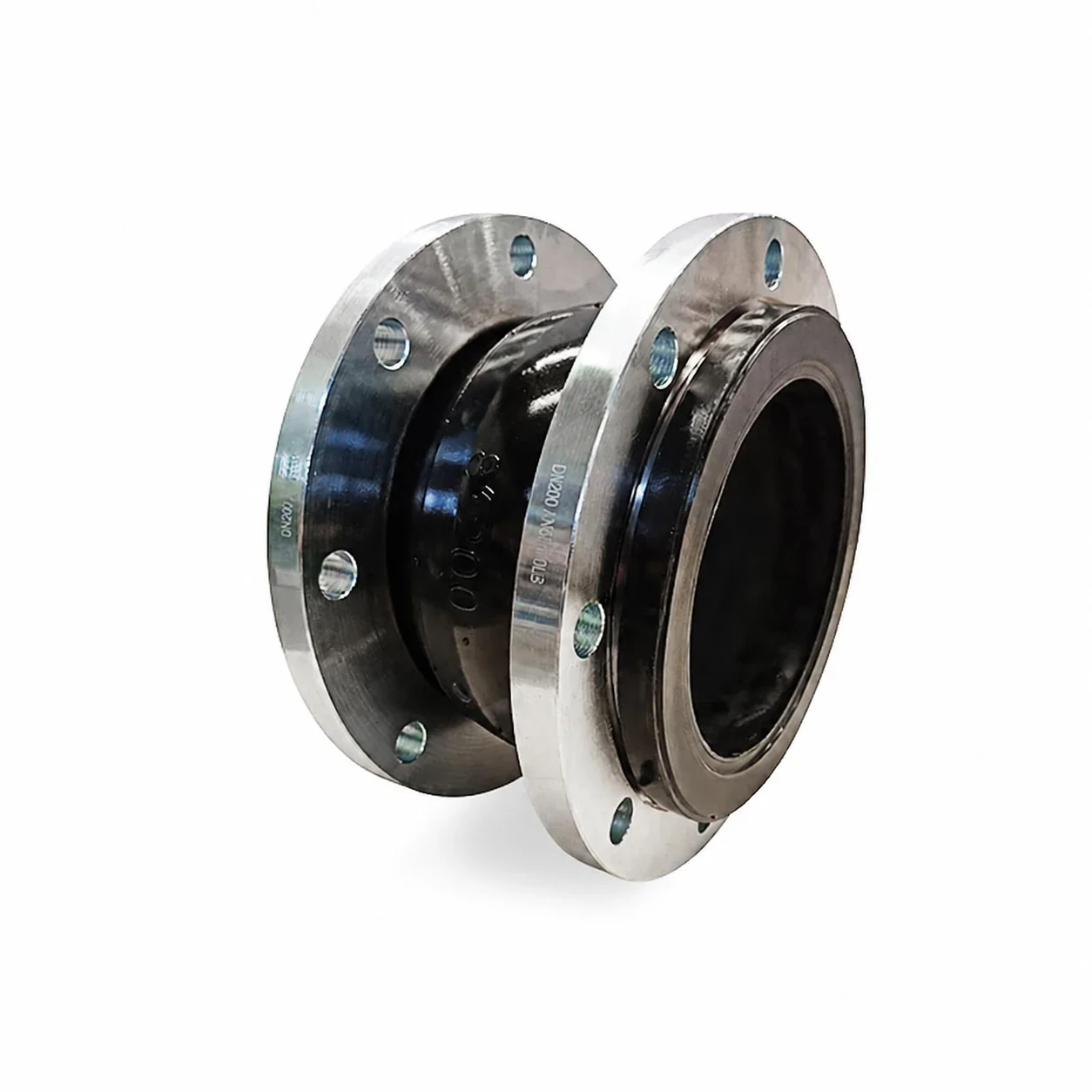
Rubber joints, flexible hoses, couplings, valves and repair components for connection, movement and flow-control requirements.
Browse pipeline products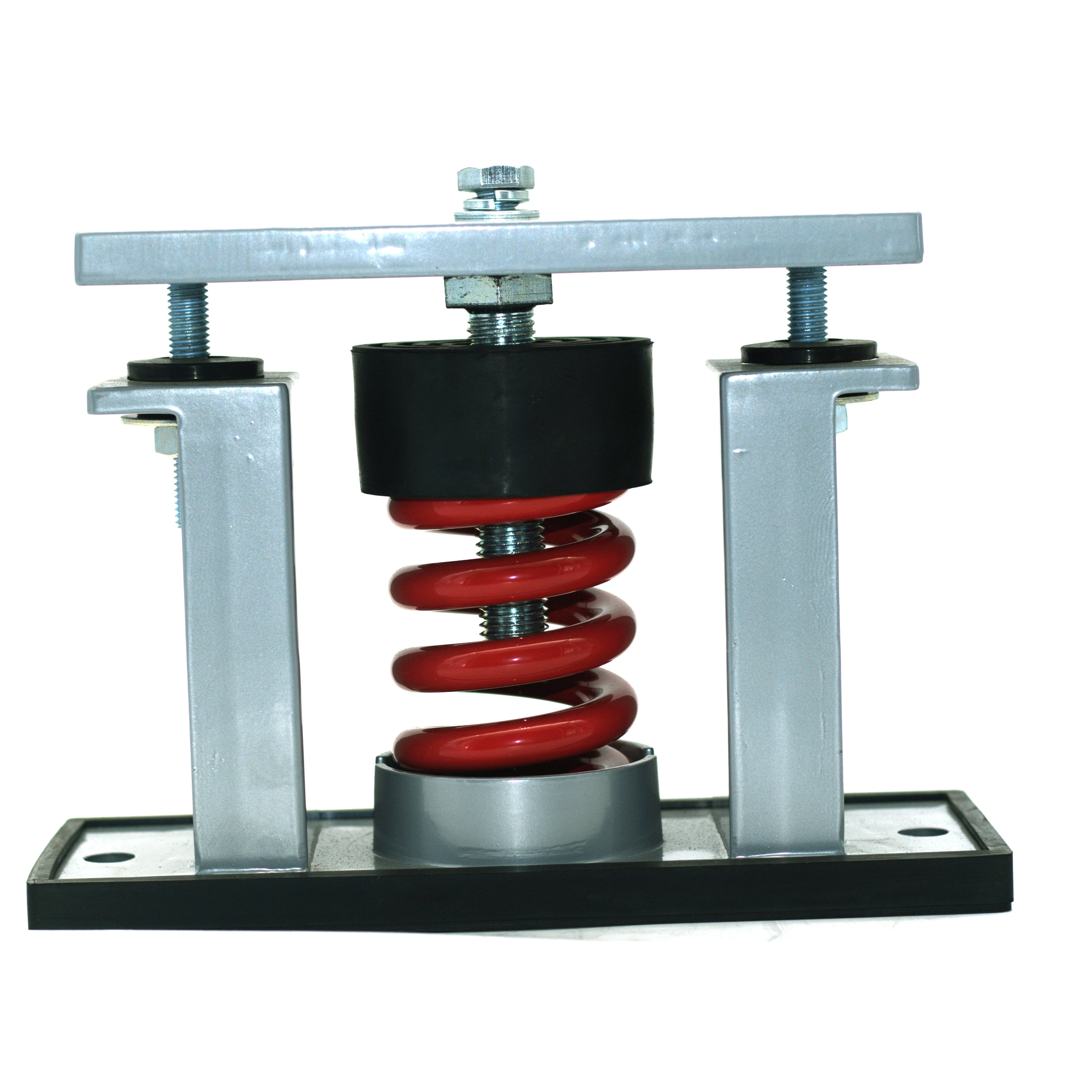
Rubber mounts, spring isolators and support components reviewed around load, movement and installation conditions.
Browse vibration control products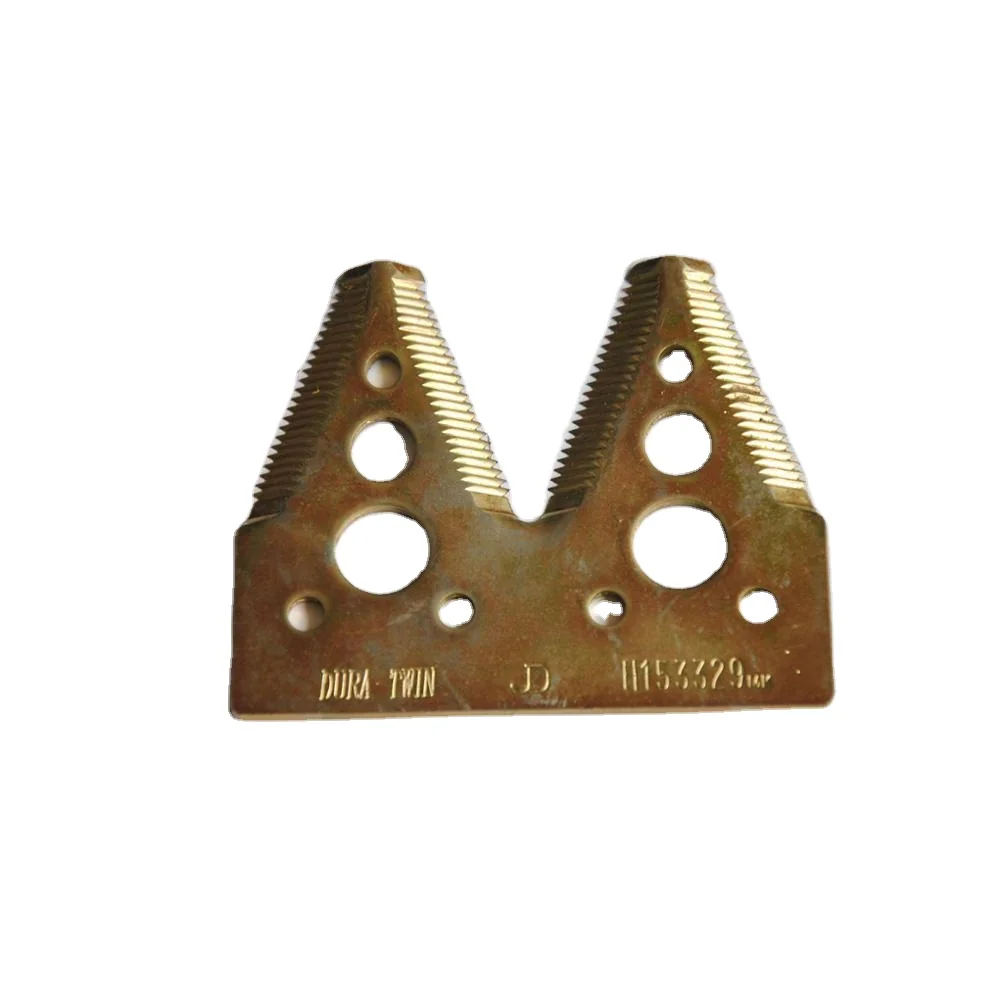
Knife sections, guards, blades and replacement parts identified by machine model, reference, dimensions and mating features.
Browse harvester parts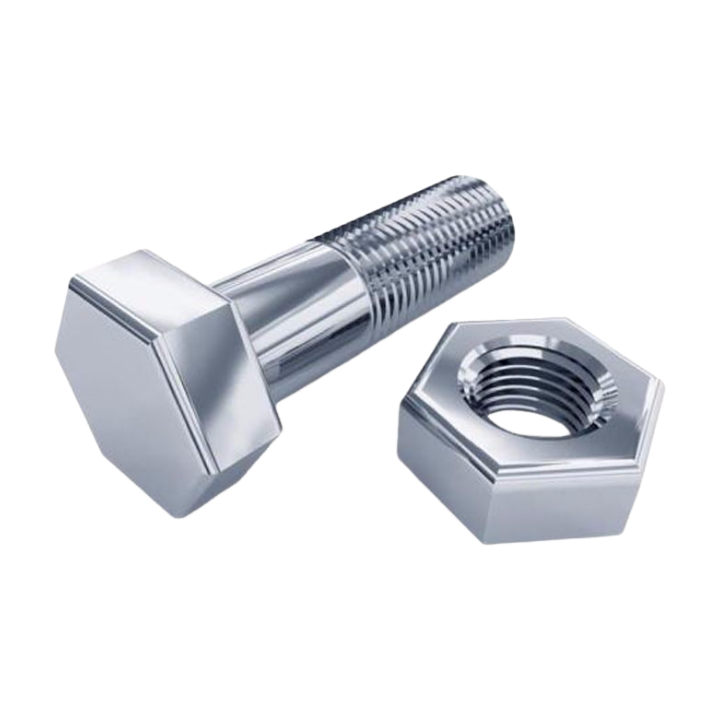
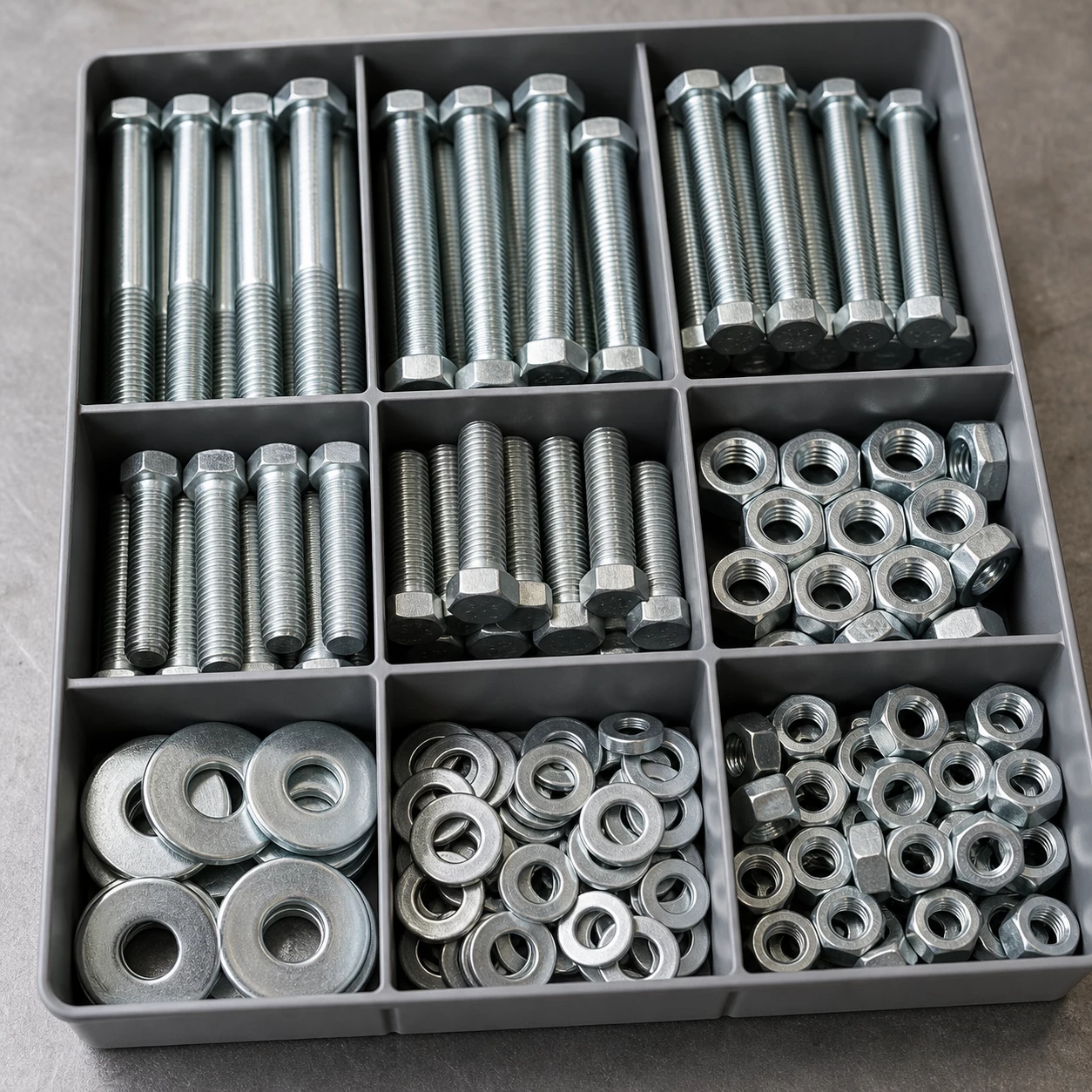
Bolts, nuts, screws, pins, rivets and custom fasteners matched by dimensions, thread, material, grade and finish.
Browse fasteners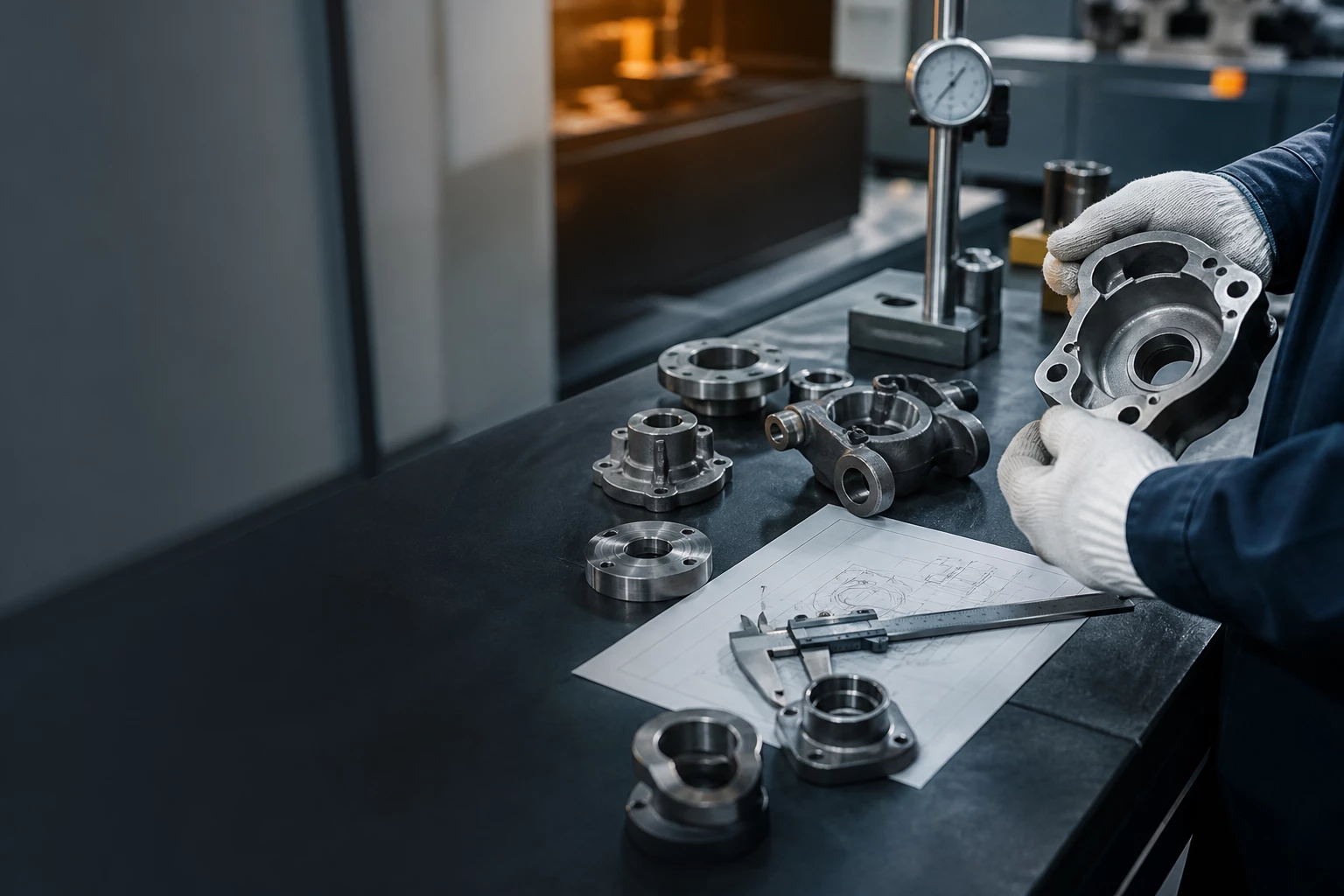
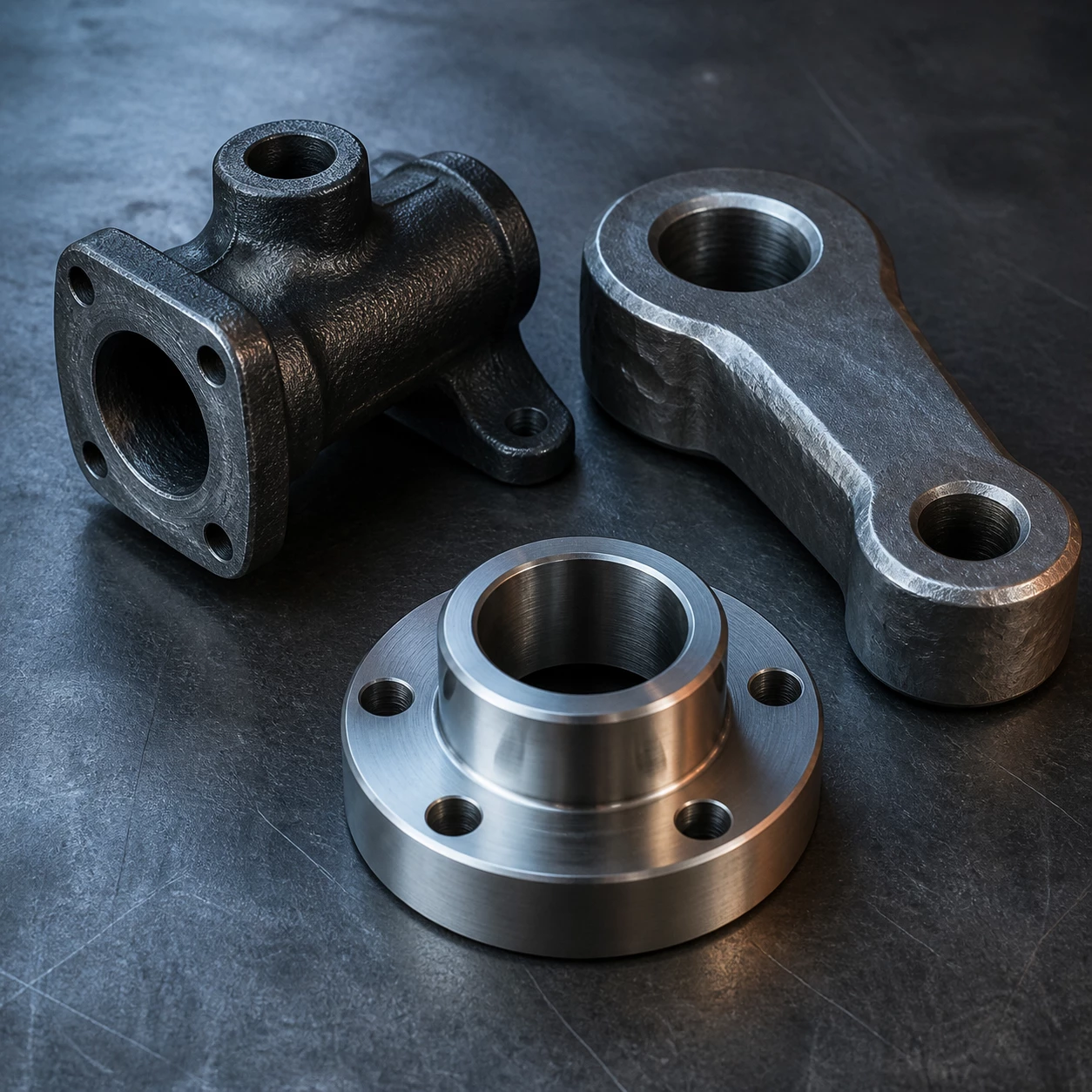
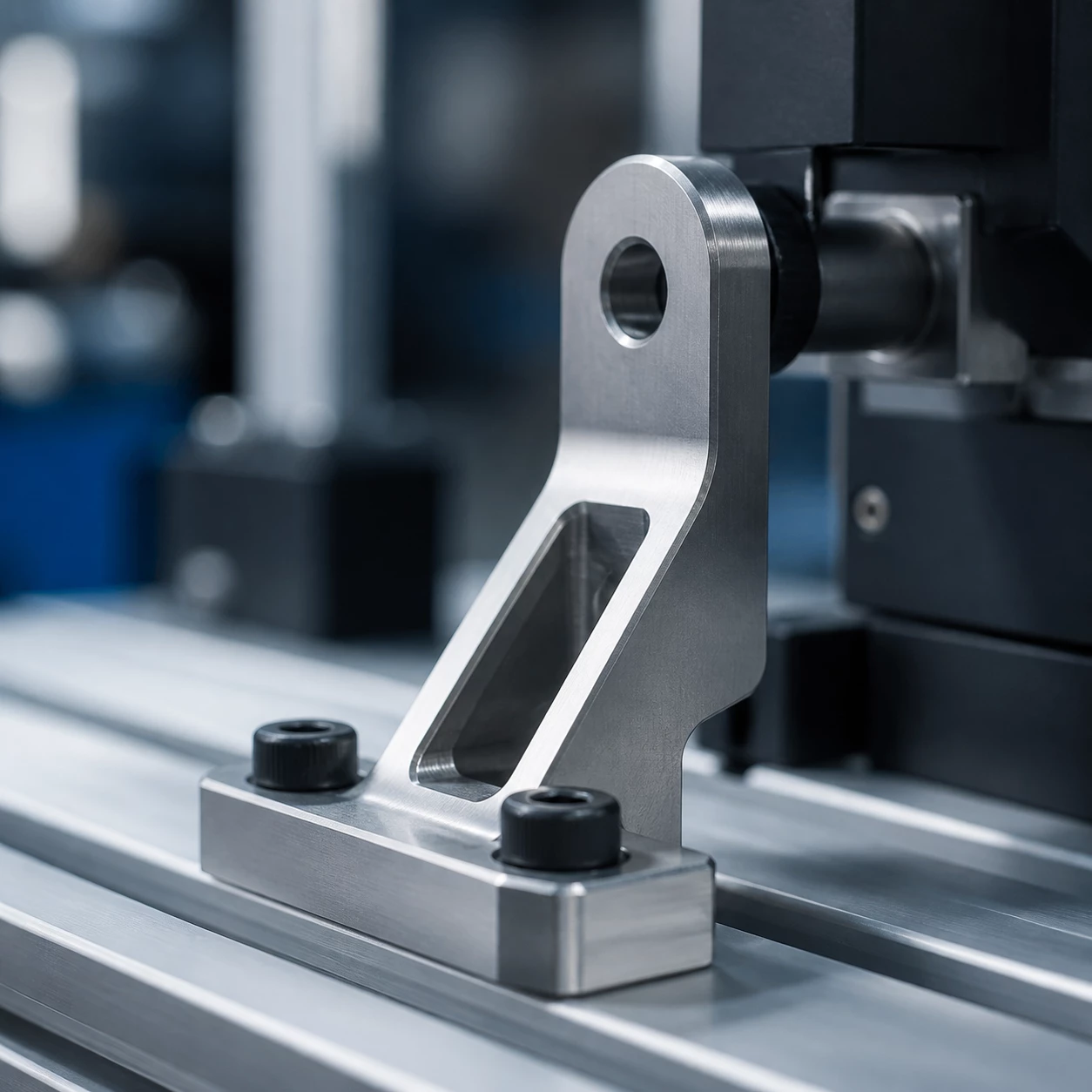
Industrial metal components developed from drawings, samples or application requirements for OEM and replacement projects.
Browse custom metal partsFrom requirement to supply
The process stays practical: confirm what is known, close the important gaps, then connect production and inspection to the approved requirement.
Drawing, sample, reference, application and quantity are organized into one review basis.
Stock matching or custom production is considered with material, process and delivery needs.
Open technical items and acceptance evidence are agreed before production release.
Critical features are linked to in-process checks and final inspection records.
Approved references and confirmed requirements support a more efficient next order.
Manufacturing equipment
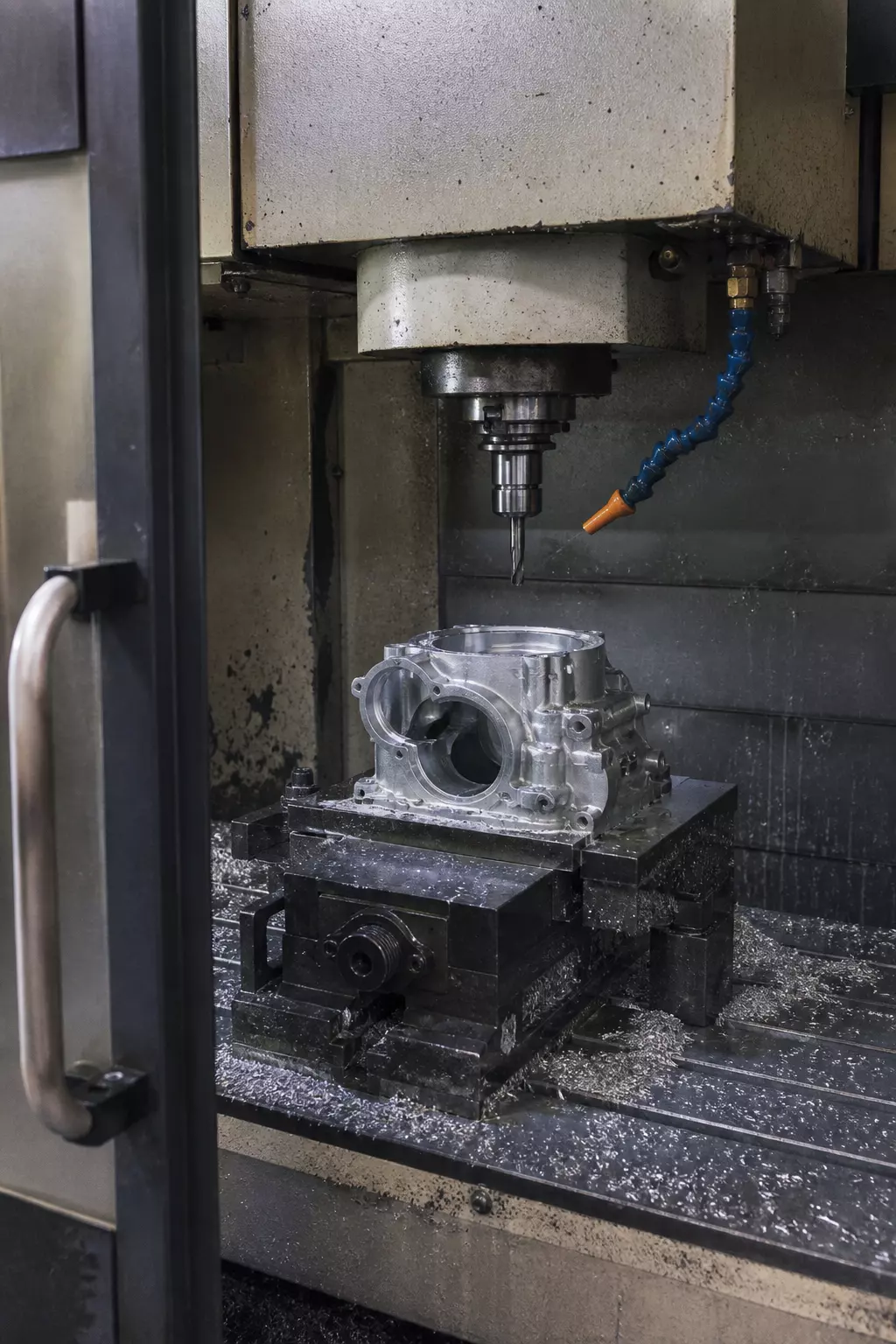
The production route is selected around part geometry, material, critical features and order requirements.
Equipment capacity supports process planning for substantial metal components and repeat production.
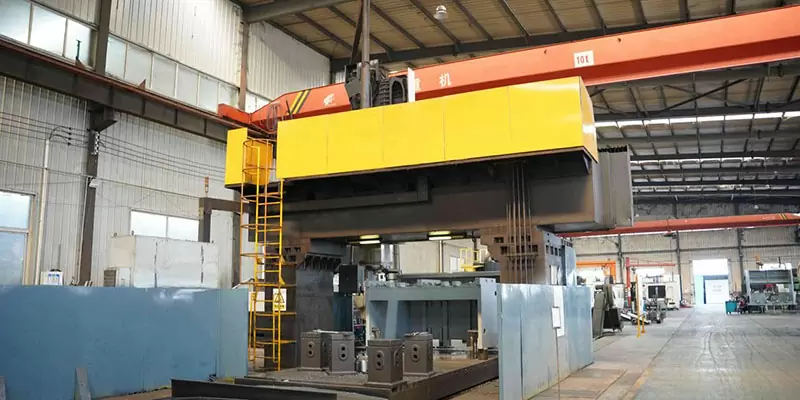
Large-machine capability supports fixtures, datum access and machining of substantial components.
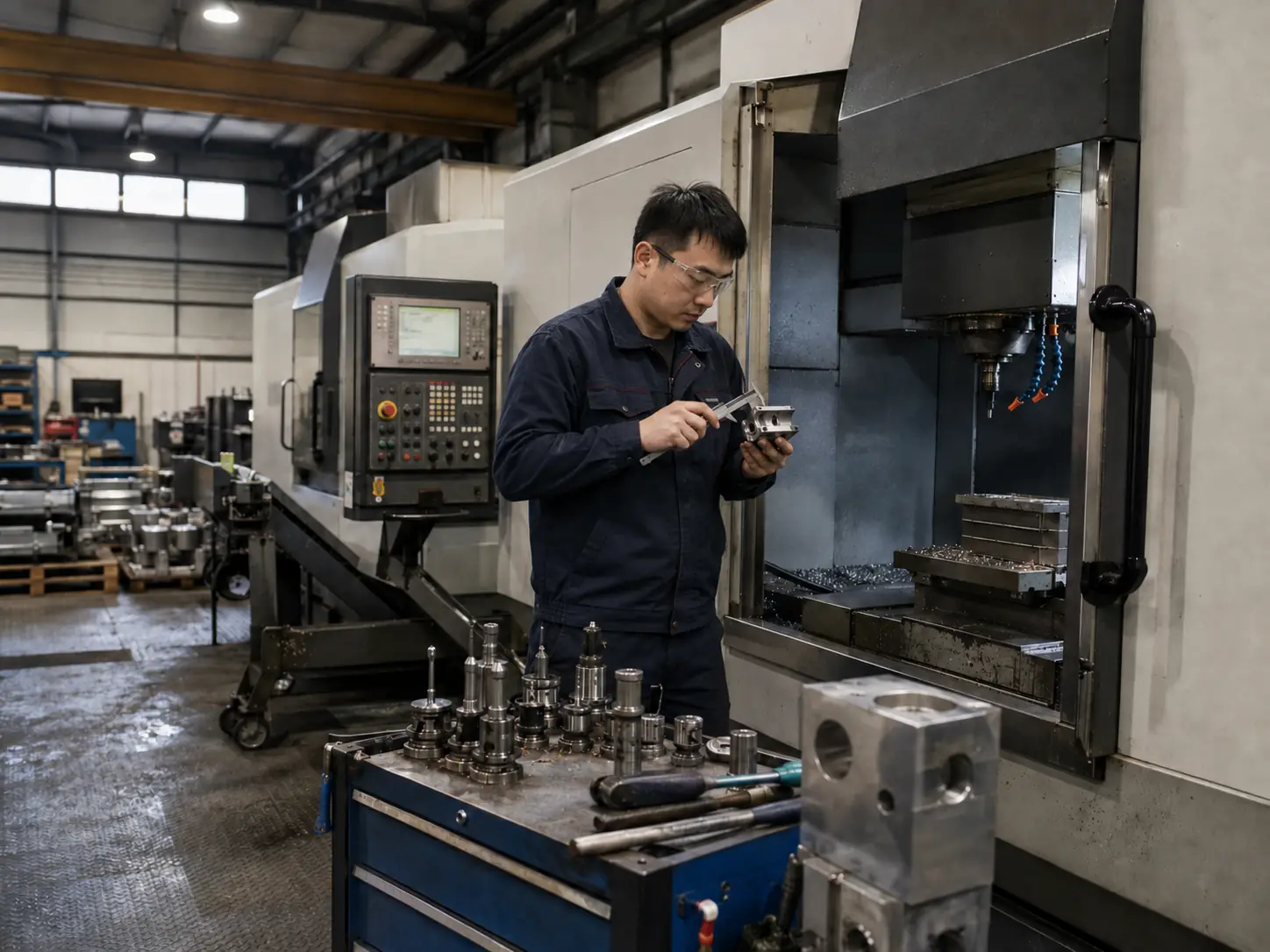
Critical dimensions and reference surfaces are connected to practical in-process and final checks.
Quality and documentation
Inspection planning can be aligned with the drawing, approved sample and order requirements. Available records and certificate needs are confirmed during project review.
See the sourcing and quality review approachMaterial grade, applicable documents and any requested traceability are clarified before release.
Datums, fits, tolerances and interfaces are identified from the controlled requirement.
Relevant checks are placed where they can prevent an issue from carrying into the next stage.
Inspection reports, samples and requested quality documents are agreed for the specific project.
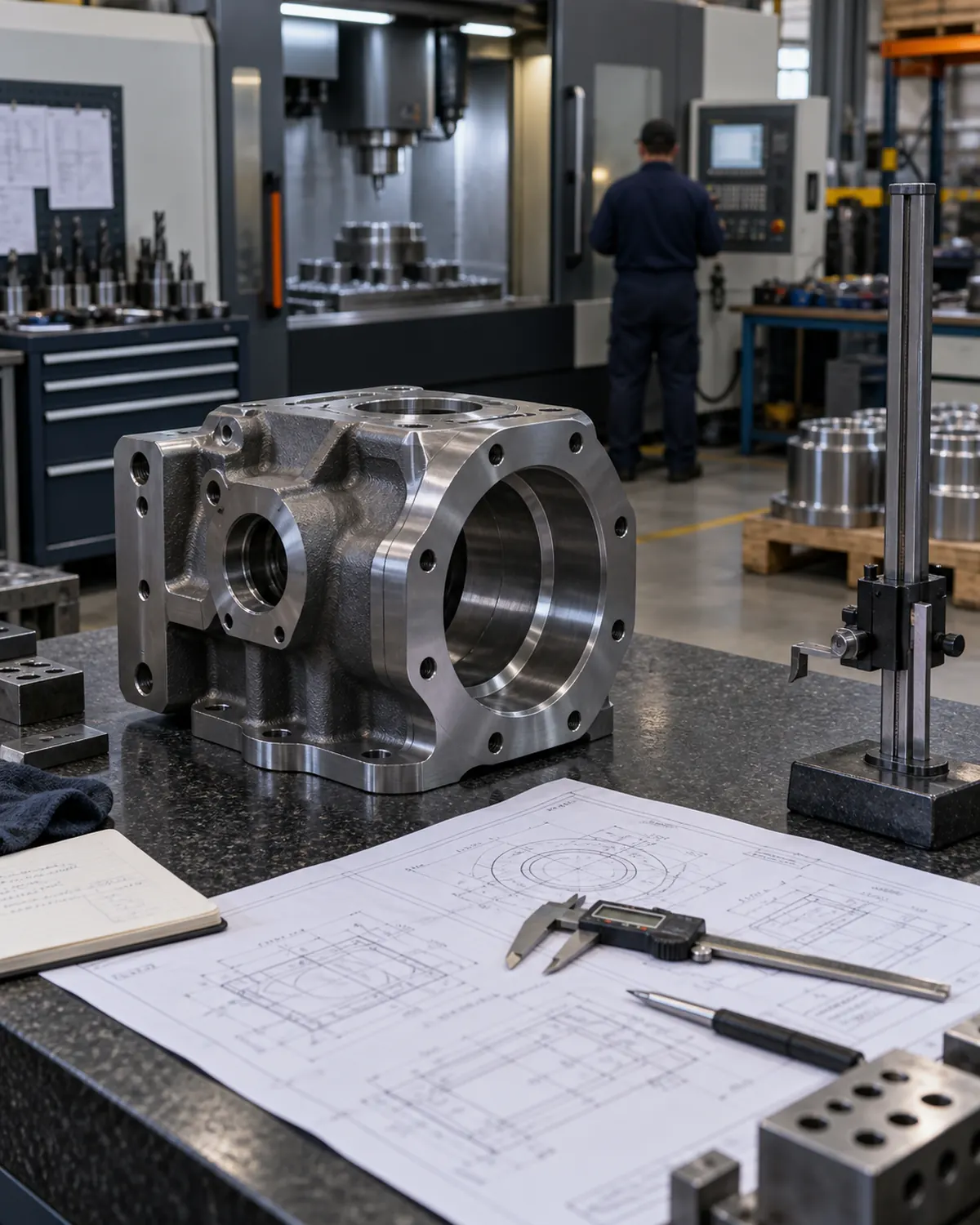
Application review example
A lined flexible-joint inquiry included construction, lining and connection requirements. The review separated confirmed items from the operating detail that still required customer confirmation.
Quick project discussion
A drawing, sample, reference number, product list or application description is enough to begin. For a structured RFQ, continue to the form below.
Technical resources
Use these short technical paths when you need to compare a product, prepare an RFQ or identify information that is still missing.
View all resourcesBefore you send an RFQ
You do not need every parameter on the first message. Send what is available; the remaining items can be organized during review.
Yes. A controlled drawing is the clearest starting point, but samples, reference numbers, photographs and application details can also support initial identification and quotation review.
Part dimensions, material, quantity, intended use, operating conditions, applicable standard, quality-document needs and target delivery all help define the correct supply basis.
Depending on the product family, stock matching and custom production can both be reviewed. The final route depends on the required interfaces, material, dimensions, quantity and acceptance criteria.
Inspection records, material-related documents, samples and system certificates can be discussed for the project. ISO system documentation is available on request; it is not presented as a product certification.
RELIA reviews the information already available, identifies any open technical points and confirms the appropriate sourcing or production route before preparing the quotation basis.
Start an RFQ